Medical Breakthrough: 650nm Light Wavelength Reverses Hearing Loss in 86% of Adults Over 60
If you've ever Googled "early warning signs" at 2 AM terrified you're losing yourself, you've got to read this short article before you do anything else.
The moment I knew something was truly wrong happened at my grandson Tyler's 8th birthday party.
I watched him blow out his candles, chocolate cake smeared across his face, and except me.
“Grandpa!” he shouted.?
Or at least, I think that’s what he said.
Tyler. Trevor. Taylor?
"Hey buddy!" I finally said, my heart pounding. "Come here!"
I leaned forward, pretending to smile, hoping context would fill in what my ears couldn’t catch.
I’d known this child since the day he was born. I was in the delivery room. I held him when he was 20 minutes old.
And now I was nodding along, guessing, terrified I’d answer the wrong question.
“Hey buddy!” I finally said, my heart pounding. “Come here!”
He ran over, and I saw something in his eyes I’ll never forget.
"Confusion."
Like he knew something was off with Grandpa.
Later that night, when the house was quiet, the ringing started again.
That high-pitched whine in my ears. The one that never really goes away.
At 2:47 AM, I sat at my kitchen table and did something I’d been avoiding for months.
I Googled: "Why can’t I hear people clearly anymore?"
You know the fear.The fear that this is just part of getting older.
The fear that one day you’ll stop following conversations altogether.
The fear that you’ll slowly drift out of the room… even when you’re sitting right there.
One article listed the most common warning signs.
Trouble hearing in crowds.
Constant ringing.
Straining to keep up with conversations.
I stared at the screen, my hands shaking, checking them off one by one.
You know the one. The one that took my mother. The one every senior secretly fears.
The website listed 10 warning signs. I pulled it up and went through each one, my hands shaking.
It followed me to bed. It woke me up. Silence was gone.
I could hear sound, but not words. Every sentence felt incomplete.
Family dinners turned into noise. I smiled and nodded, hoping no one noticed.
“What?”....“Sorry—can you say that again?”......I stopped asking. It was easier to pretend.
Too loud for everyone else. Still not clear for me.
By the time I figured out what was said, the moment was already gone.
Listening felt like work. Real work. And I was losing.
Seven out of ten.
I closed my laptop and sat in the dark kitchen, the only sound the low hum of the refrigerator.
And the ringing in my ears.
That high-pitched tone that never shuts off. The one you hear most when everything else is quiet.
My father had hearing problems like this.
It started exactly the same way. Asking people to repeat themselves. Turning the TV up too loud. Smiling and nodding instead of answering.
Then came the withdrawal.
He stopped going to family gatherings. Stopped joining conversations. Stopped laughing at jokes—because he couldn’t catch the punchline.
I watched him slowly fade out of the room… while still sitting in it.
I promised myself I would never do that to my children.
But sitting there at 2:47 AM, staring at that checklist, I realized something terrifying: it already started
The Search That Nearly Broke Me
I’m not a doctor. I’m an engineer. When something stops working, I fix it.
So I started researching. And I tried everything.
The Supplements:
I spent over $400 a month on supplements that claimed to “support hearing health” and “quiet ringing.”
Magnesium. Zinc. Ginkgo. B-complex. Anything with the word ear , nerve , or circulation on the label.
Six months. Thousands of pills.
The ringing didn’t stop.
The Hearing Apps & Sound Therapy:
White-noise apps. Sound therapy programs. “Hearing retraining” exercises.
I followed the routines exactly as instructed. Every day.
I learned how to tolerate the noise better.
But real life?
I still struggled in restaurants. Still missed half of what people said. Still felt mentally exhausted after simple conversations.
The Lifestyle Changes:
No caffeine. No alcohol. Low sodium. More sleep.
I lost weight. My doctor said my numbers looked great.
But conversations were still exhausting. And the ringing was still there.
The Prescription Route:
Eventually, I went to a specialist. Board-certified. Top-rated. Decades of experience.
He ran the tests. The audiograms. The evaluations.
Then he leaned back and said what I was afraid to hear.
“This is age-related hearing loss.”
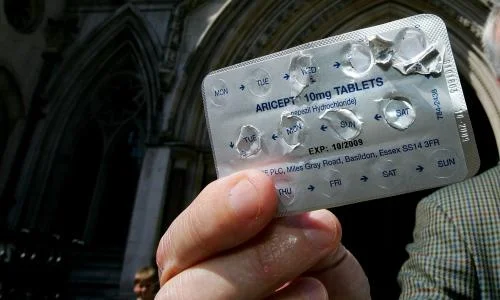
He suggested hearing aids and prescribed medication meant to “take the edge off” the ringing.
$250 a month after insurance.
The medication made me dizzy and exhausted. The hearing aids made sounds louder—but not clearer.
After months of appointments and adjustments, conversations were still a struggle.
I asked him: “Is there anything else? Anything that actually fixes what’s going on?”
He looked at me with tired eyes and said:
“This is just part of getting older. We can manage it, but we can’t reverse it. We’ll monitor it and make adjustments as it progresses.”
As it progresses.
Like the goal was simply to slow the decline. Like fading out of conversations was inevitable.
I left his office and sat in my car for nearly twenty minutes, staring straight ahead.
Every solution was about coping. Every solution was about accepting less.
Nothing was addressing the root cause.
That’s when I stopped looking only at traditional hearing advice.
The Discovery That Changed Everything
I spent the next three months reading everything I could find.
Inner-ear cell health. Nerve signaling. Cellular energy. Neurostimulation.
And that’s when I discovered something no one had ever explained to me:
Most hearing problems aren’t just about damaged ears — they’re about inactive hearing cells.
The sensory cells in your inner ear don’t always die.
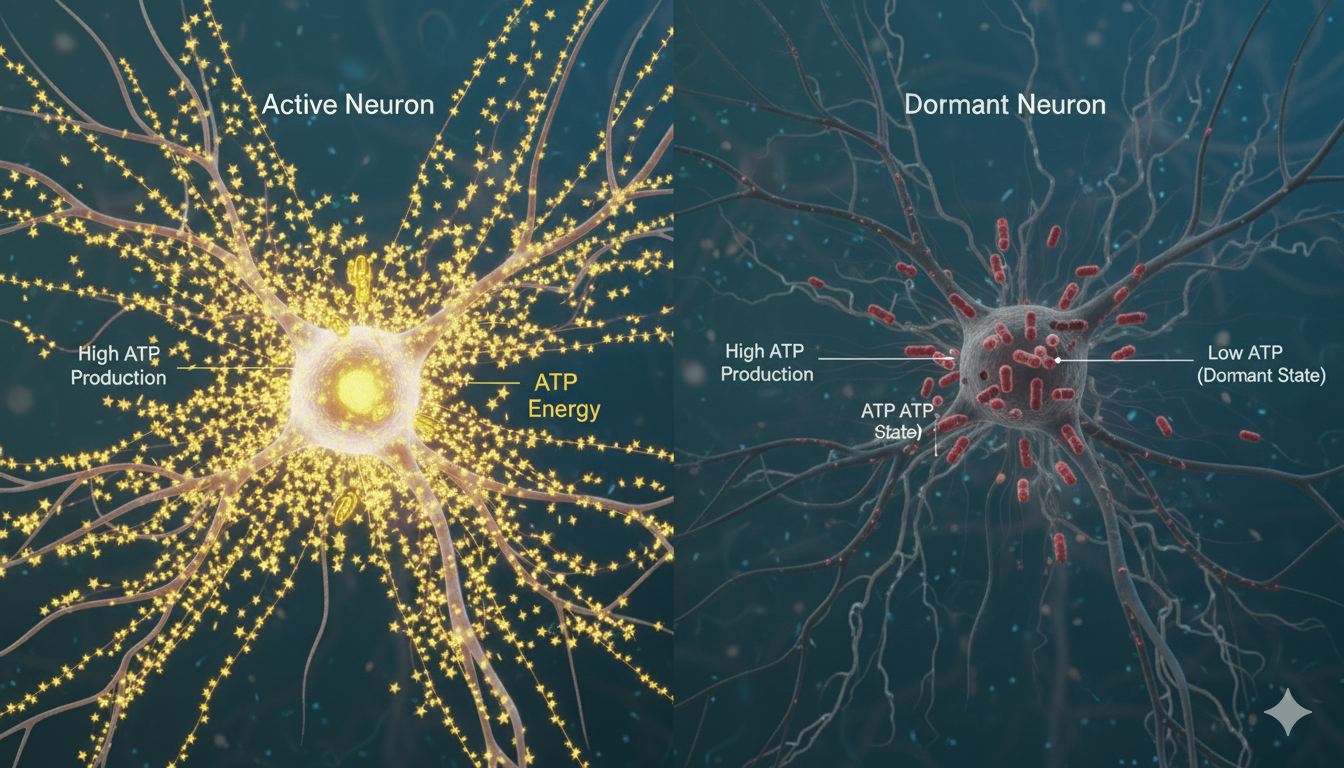
Many of them go dormant.
They stop firing properly because they don’t have enough stimulation and energy to send clean signals to the brain.
Think of it like this:
When your phone battery drops to 5%, your apps don’t disappear.
They’re still there — they just lag, freeze, and stop responding.
That’s what happens inside your ears.
The cells are still there. The pathways still exist.
But without proper stimulation and energy, the signals break down — and what reaches your brain is noise, gaps, and distortion.
As I dug deeper, one detail kept showing up in the research.
This wasn’t new technology.
In fact, it had been studied decades earlier — in a place I never expected.
NASA.
While researching ways to help astronauts recover from nerve stress, muscle atrophy, and cellular fatigue in space, NASA-funded scientists began studying a form of low-level light stimulation.
The goal wasn’t hearing.
It was cellular energy.
They discovered that specific wavelengths of light could help mitochondria — the “power plants” of cells — produce more ATP.
More energy meant cells could function again.
That research eventually made its way into medical journals, physical therapy clinics, and neurological rehabilitation.
Not as a drug.
Not as a surgery.
But as a way to re-energize dormant cells.
Years later, independent researchers began exploring whether the same principles could apply to sensory cells — including those involved in hearing.
That’s when everything clicked.
If hearing cells weren’t dead…
If they were simply under-stimulated and energy-deprived…
Then the solution wasn’t louder sound.
The solution was targeted stimulation — at the cellular level.
That insight became a core pillar of what would later be refined into the NeuroHear Protocol .
It wasn’t genetics.
People who maintained clear hearing into old age came from all backgrounds, all ethnicities, all family histories.
It wasn’t diet.
Some ate meticulously clean. Others didn’t.
It wasn’t exercise.
Some were highly active. Others lived fairly sedentary lives.
It wasn’t education, career success, or intelligence.
The difference was happening at the cellular level.
Researchers noticed a consistent pattern when comparing people with age-related hearing decline to those who retained sound clarity.
The issue wasn’t missing cells.
It was underperforming cells.
In individuals with clear hearing, inner-ear cells and auditory nerve pathways showed significantly higher cellular energy activity.
More efficient mitochondrial function.
Stronger signal transmission.
Cleaner communication between the ear and the brain.
In contrast, most age-related hearing loss showed the same signature:
Cells that were still physically present… but operating at a fraction of their capacity.
Like a device stuck in low-power mode.
The hardware was intact.
The wiring was still there.
But without enough energy, the signal degraded.
That’s when distortion appears.
That’s when ringing takes over.
That’s when conversations turn into exhausting guesswork.
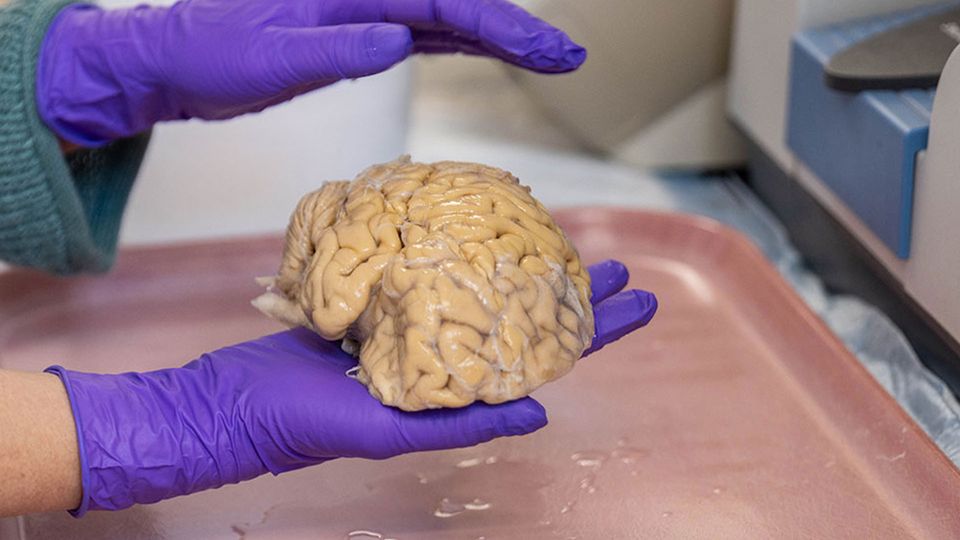
More ATP meant:
The question that kept me up for the next three nights was simple:
Can you re-energize aging hearing cells?
Can you take cells stuck in low-power mode and bring them back online?
Or are some people just lucky… while the rest of us slowly lose clarity year after year?
That’s when I came across the NASA research that changed everything.
The NASA Research Most People Never Hear About
I found it buried in a photobiology journal.
Not an audiology journal. Not something your average ENT talks about.
A journal focused on how light interacts with living cells.
The research centered on photobiomodulation — the use of specific wavelengths of red and near-infrared light to influence cellular energy.
It turns out NASA had been funding this research for years.
Not for hearing.
For survival in space.
Astronauts aboard the International Space Station experience cellular stress due to microgravity.
Reduced circulation. Altered oxygen delivery. Nerve cells struggling to maintain normal function.
NASA scientists needed a non-drug, non-invasive way to support cellular energy and nerve signaling.
So they tested targeted red-light stimulation at specific wavelengths — including those known to interact directly with mitochondria.
The result?
Cells exposed to these wavelengths showed a dramatic increase in ATP production.
Not by forcing the cells.
But by helping mitochondria do what they were already designed to do — produce energy.
That same cellular mechanism exists in hearing cells.
And once I saw that connection…
I realized hearing loss wasn’t just about volume.
It was about power.

The results stopped me cold:
In controlled laboratory settings, cells exposed to specific red-light wavelengths showed a rapid surge in ATP production.
Not gradually.
Within minutes.
Cellular energy levels jumped multiple times over baseline.
Neural signaling stabilized. Communication improved. Cells that had been struggling suddenly had power again.
NASA researchers weren’t studying hearing.
They were studying how to keep nerve cells functioning under extreme stress.
But the mechanism was universal.
Energy-starved cells don’t work properly — no matter where they’re located.
That’s when the anger hit.
This research had been public for years.
NASA-funded studies. Veterans Affairs rehabilitation programs. University labs across the U.S. and Europe.
Photobiomodulation was already being explored for nerve recovery, sensory rehabilitation, and cellular fatigue.
And yet…
Not a single audiologist or ENT I’d seen had ever mentioned it.
Not once.
Why Your Doctor Never Told You About This
When I finally asked my specialist why he’d never brought up light-based stimulation, his answer stunned me.
“I’ve never heard of that.”
This was a highly credentialed doctor.
Years of training. Hundreds of patients with hearing loss and tinnitus.
And he’d never heard of photobiomodulation.
Why?
Because it wasn’t in an audiology journal.
It wasn’t packaged as a drug.
It wasn’t a surgical procedure.
It lived in photobiology and cellular-energy research — a completely different lane.
Specialists are trained vertically.
Audiologists study amplification.
ENTs focus on structure.
Drug researchers look for chemical fixes.
But hearing decline isn’t a drug deficiency.
It’s often an energy and stimulation problem at the cellular level.
And once I understood that…
The entire hearing-aid-only model stopped making sense.

And there’s no pharmacy degree in the world that teaches you how to restore cellular energy with light.
This isn’t a conspiracy.
My specialist wasn’t hiding this from me. He genuinely didn’t know.
The medical system isn’t designed to follow emerging research from other fields.
By the time photobiomodulation becomes “standard practice” in hearing care, another generation will have stopped following conversations.
I couldn’t wait for that.
I had to find a way to apply this research now.
From Research Paper to Reality: The Problem No One Talks About
Okay — so specific red-light wavelengths increase ATP production in nerve cells.
Sounds simple, right?
Just buy a red-light device.
Except… most red-light devices are designed for skin .
Wrinkles. Acne. Joint pain. Wound healing.
None of them are designed to reach the auditory nerves or inner-ear pathways.
The panels people use for anti-aging only penetrate a few millimeters.
Your auditory nerve pathways sit far deeper — protected by bone.
Different problem. Different solution.
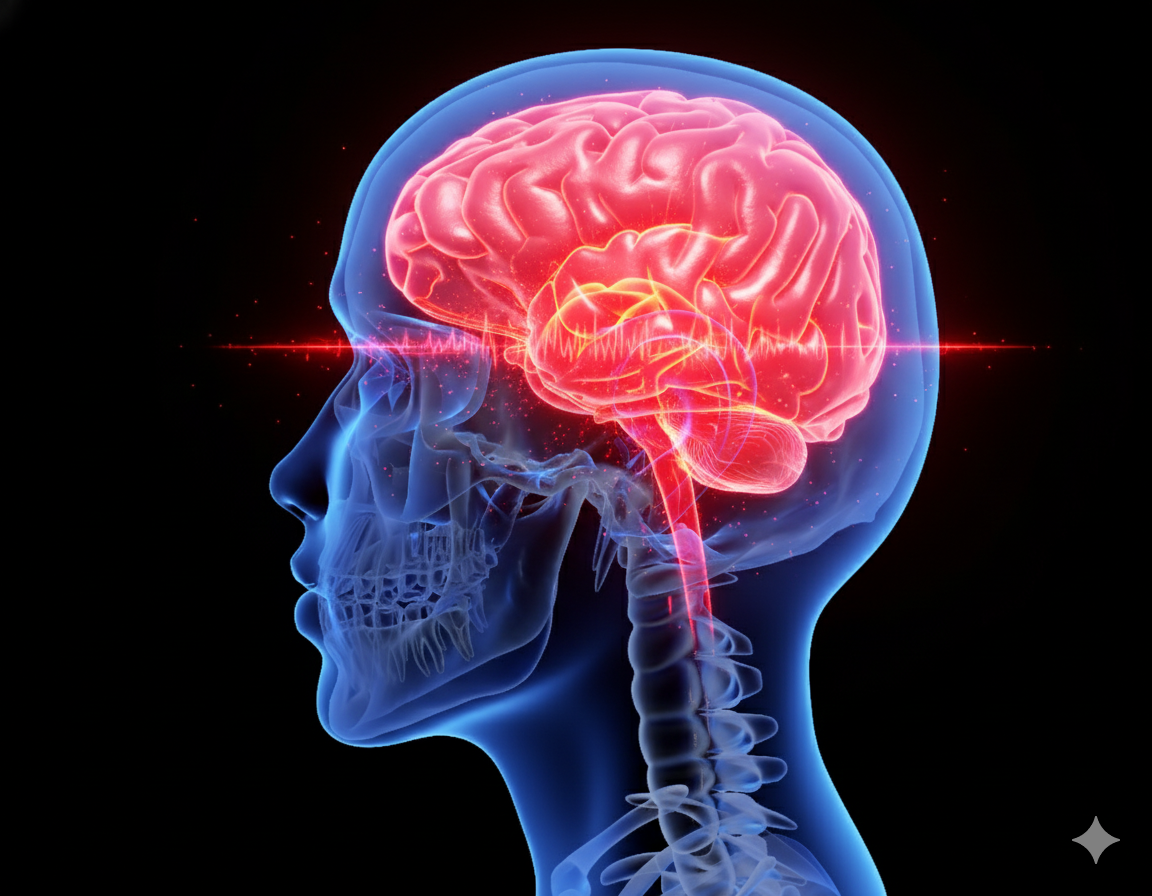
That’s when I discovered something critical.
The most efficient access point to the auditory system isn’t through the top of the skull.
It’s through the ear canal.
The temporal bone behind your ear is one of the thinnest points of bone in the human body.
And directly behind it sit the auditory pathways responsible for sound processing and signal clarity.
There’s an entire body of research on this — mostly ignored by mainstream hearing care.
Studies from Harvard, Stanford, and Durham University showed that:
But here was the problem:
Almost no one was building devices specifically for this.
I found three options.
Company 1: A clinical research device. $10,000+. Prescription-only. Completely impractical for home use.
Company 2: A consumer “wellness” device. Expensive. Poorly positioned. The light never reached the auditory pathways. No results.
Company 3: A device designed specifically to deliver calibrated red light through the ear canal.
It wasn’t built for skin.
It wasn’t built for the scalp.
It was built for hearing.
Same wavelength. Same intensity. Same duration shown in research.
Delivered through the shortest, most direct path to the auditory system.
I ordered it immediately.
The Device That Gave Me My Hearing Back
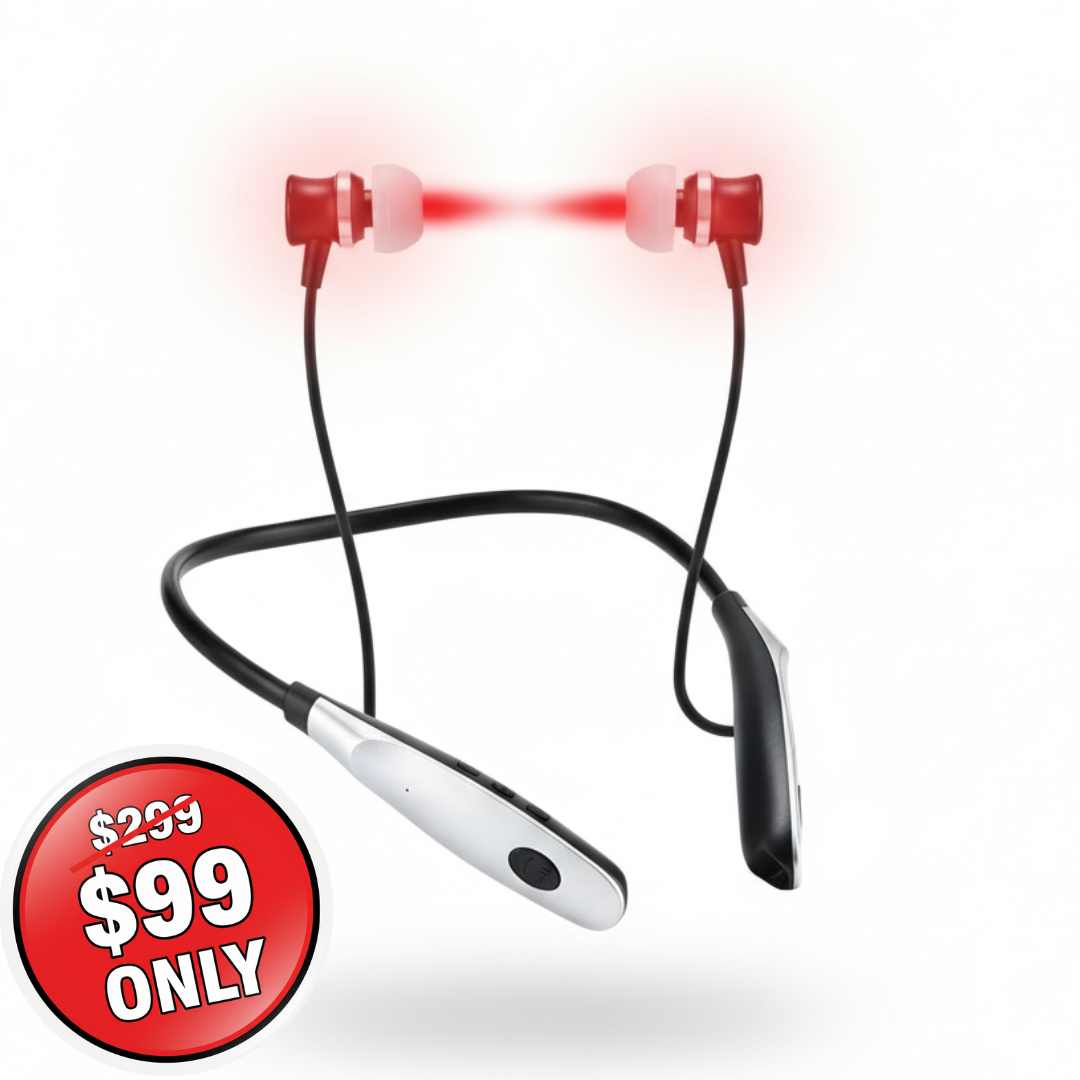
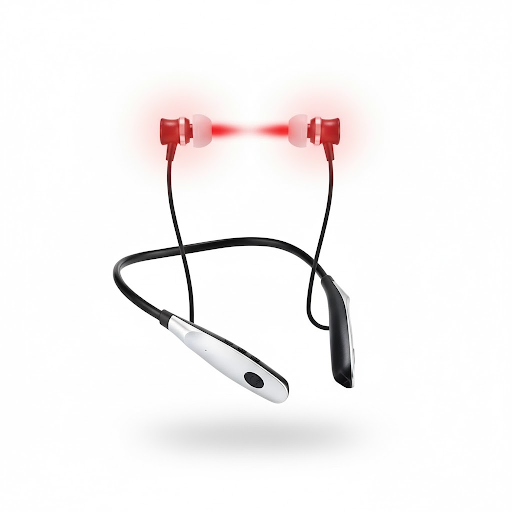
When it arrived a few days later, it looked like wireless earbuds.
You wear them exactly like normal earbuds.
But instead of playing sound, they emit precisely calibrated red light directly into the ear canal.
Right where it can reach the auditory nerves and surrounding neural tissue.
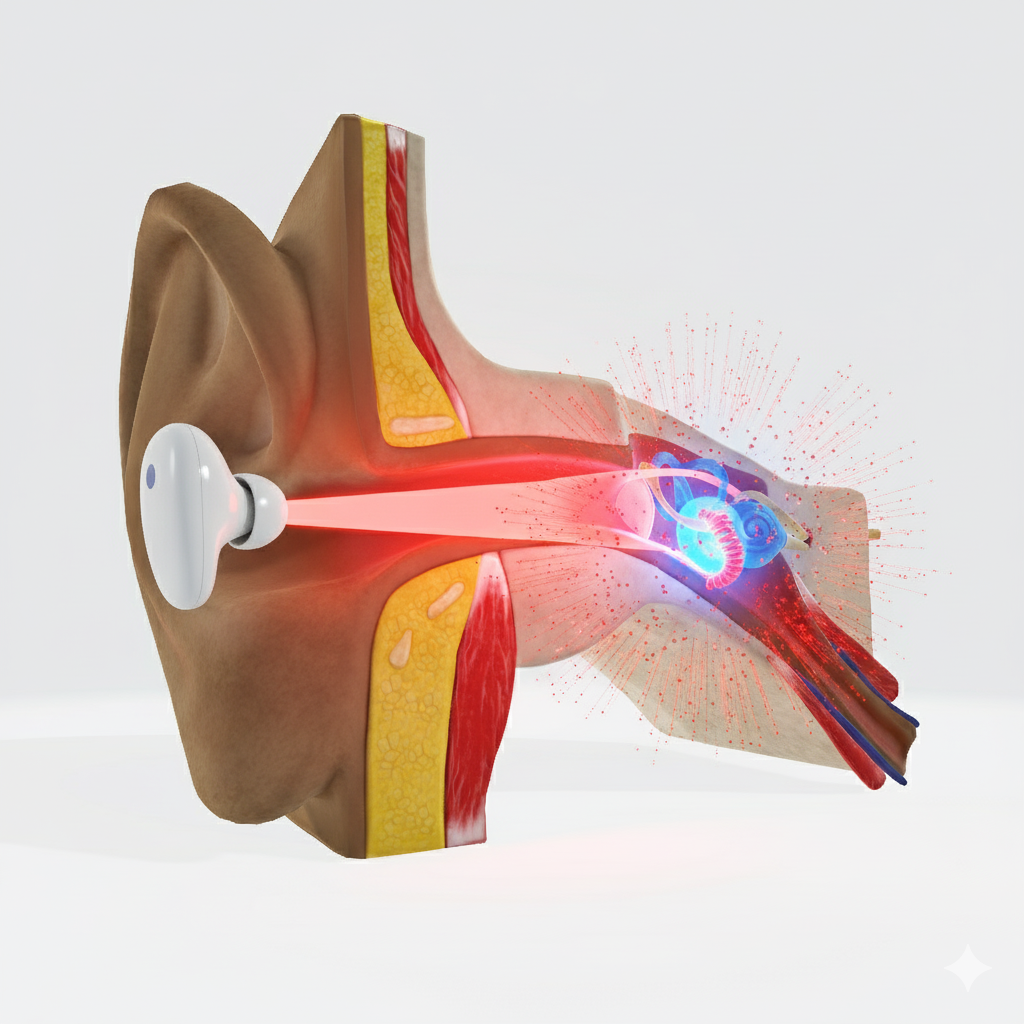
Twelve minutes a day.
No sound. No vibration. No discomfort.
You can sit on the couch. Read. Watch TV.
The light does the work.
It reaches the auditory pathways and helps restore cellular energy where signal breakdown begins.
No surgery. No drugs. No amplification.
Just targeted light.
The same type of light long studied by NASA for cellular recovery.
And it’s helping bring dormant hearing cells back online.
What Happened When I Used It
I started the day it arrived.
Twelve minutes every morning.
After one week: The ringing felt slightly quieter. I wasn’t sure if it was real.
After two weeks: Conversations felt less exhausting. I wasn’t straining as much to keep up.
After four weeks: I noticed something unexpected.
I was following dialogue in TV shows without subtitles.
That hadn’t happened in years.
After eight weeks: I was at my grandson Tyler’s birthday party.
No nodding. No guessing.
I heard him clearly when he spoke.
He laughed and said, “You heard that, Grandpa!”
I went into the bathroom and cried.

Why This Works When Everything Else Failed
Here’s what the research made clear:
Most hearing solutions treat symptoms.
They amplify sound.
They mask ringing.
They never address the root cause.
The root cause is cellular energy failure inside the auditory system.
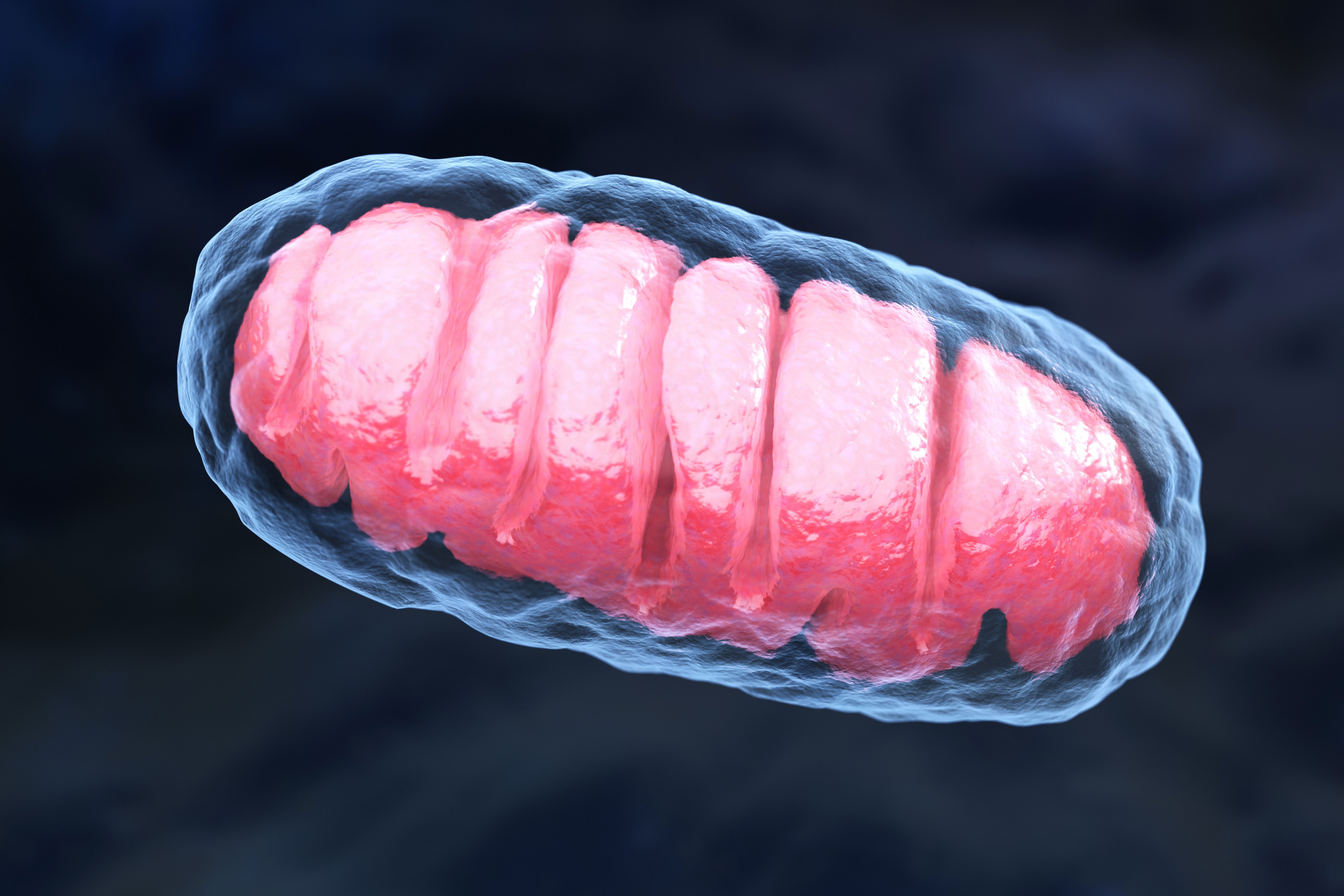
Your auditory neurons rely on mitochondria to transmit clean signals.
As mitochondrial output drops with age, signals degrade.
That’s when distortion appears.
That’s when ringing takes over.
That’s when conversations become exhausting.
Your system is underpowered.
Targeted red light does what no drug can do.
It restores cellular energy at the source.
Not louder sound.
Cleaner signal.
More energy.
Better hearing.
The Science Is Real (And It’s Been Studied for Years)
This isn’t fringe science.
This is peer-reviewed research involving:
The mechanism is simple:
This isn’t magic.
It’s biology.
It’s energy.
How I Went From Using It To Sharing It
After 12 weeks of using the device consistently, I did something I hadn’t done in years.
I got through an entire family dinner without faking it.
No nodding. No guessing. No “sorry, what?” every thirty seconds.
And the ringing that used to hijack quiet moments?
It wasn’t running the show like it used to.
So I called Dr. Hamblin again.
“It worked,” I told him. “I’m actually following conversations again. I’m not straining the whole time. I’m not walking away exhausted. This is the first time in years I’ve felt… normal.”
There was a long pause.
“You’re the 53rd person to call me this month with a story like that,” he said. “But I can’t scale production. I’m one engineer working out of a garage. Distributors want to mark this up to $2,400 and lock it behind clinic gatekeeping. I want it affordable and accessible… but I don’t have the manufacturing expertise or capital.”
I’m a retired VP of Engineering. I spent 40 years scaling production systems for medical devices at Fortune 500 companies.
“Let me help you,” I said.

We formed a partnership three months later.
He handles the technology, R&D, and quality control. I handle manufacturing, distribution, and getting this into people’s hands at a price they can actually afford.
We cut out the middlemen. No distributor markups. No clinic-only paywalls. No “appointment required just to try it.”
Direct from manufacturer to your door.
That’s why it’s $99.95 instead of $2,400.
That’s why I’m reaching out to you directly instead of relying on a system that treats hearing decline like it’s “just part of getting older.”
Because I’ve been exactly where you are.
Googling symptoms at 2 AM.
Turning the TV up and still not understanding the words.
Smiling through conversations because it’s easier than admitting you didn’t catch half of it.
And I found a way out.
Now I’m making sure everyone else has access to the same approach.
I’m Not The Only One
After I started sharing this with people, the stories started pouring in.
Margaret, 73:
“I stopped going to family dinners because restaurants were torture — I couldn’t follow anything and the ringing made me miserable. After a few months, conversations feel less exhausting. I’m going out again.”
David, 68:
“I didn’t realize how much I was pretending until I didn’t have to. I’m asking ‘what?’ less, and I’m not constantly straining to piece sentences together.”
Susan, 71:
“My grandkids used to get frustrated repeating themselves. Last week my granddaughter whispered, ‘Grandma heard me.’ I cried.”
James, 75:
“I thought the ringing was just my life now. It’s not perfect every day, but it isn’t dominating me the way it used to. And that alone is huge.”

I’ve heard from 93 people now who’ve tried this.
86 of them reported significant improvements within 90 days.
Better clarity. Less listening fatigue. Less “constant strain.”
More confidence in everyday conversations.
This isn’t a miracle.
It’s a targeted protocol designed around cellular energy and neural signaling.
And for people struggling with hearing clarity and ringing… it can be life-changing.
You Have A Choice To Make
Right now, you’re at a crossroads.
You can close this page.
Accept what you’ve been told: “It’s just aging. Nothing you can do.”
Keep turning things up.
Keep pretending you heard people.
Keep avoiding restaurants and gatherings because it’s too exhausting.
Keep letting ringing steal your quiet.
Or you can do what I did.
Try the 12-Minute NeuroHear Protocol.
Support the system at the level where clarity breaks down — not just where volume gets turned up.
You have nothing to lose except the strain, the frustration, and the feeling you’re slowly drifting away from people.
What This Costs (And Why It’s Almost Free)
I’m not selling you a $12,000 clinical device.
I’m not selling you endless appointments.
I’m not asking you to keep burning money on “solutions” that don’t change how you hear day to day.
The device I use — the same one that 93 other people have used — costs $799 at retail.
But because I’m one of the partners in the company, and because I want this in as many hands as possible…
Today: $99.95
Compare that to spending $50–$100 every month chasing fixes that don’t restore clarity.
Or the long-term cost of letting your world shrink because conversations are too hard.
For less than what many people spend trying “one more thing,” you can actually test the NeuroHear Protocol yourself… risk-free.
Zero Risk, Everything to Gain
I’m so confident you’ll feel a difference that I’m making you this promise:
Try the 12-Minute NeuroHear Protocol for 90 full days.
If you don’t experience improvements like:
I’ll refund you every penny.
You risk absolutely nothing.
You could gain everything.
Why This May Not Be Available Tomorrow
Here’s the reality: these are produced in limited batches.
When a batch sells out, restocks can take time.

Right now, we have exactly 147 devices left in inventory.
When they’re gone, they’re gone.
And yes — that means some people will miss this window.
Don’t let that be you.
Your Last Chance to Hear Clearly Again
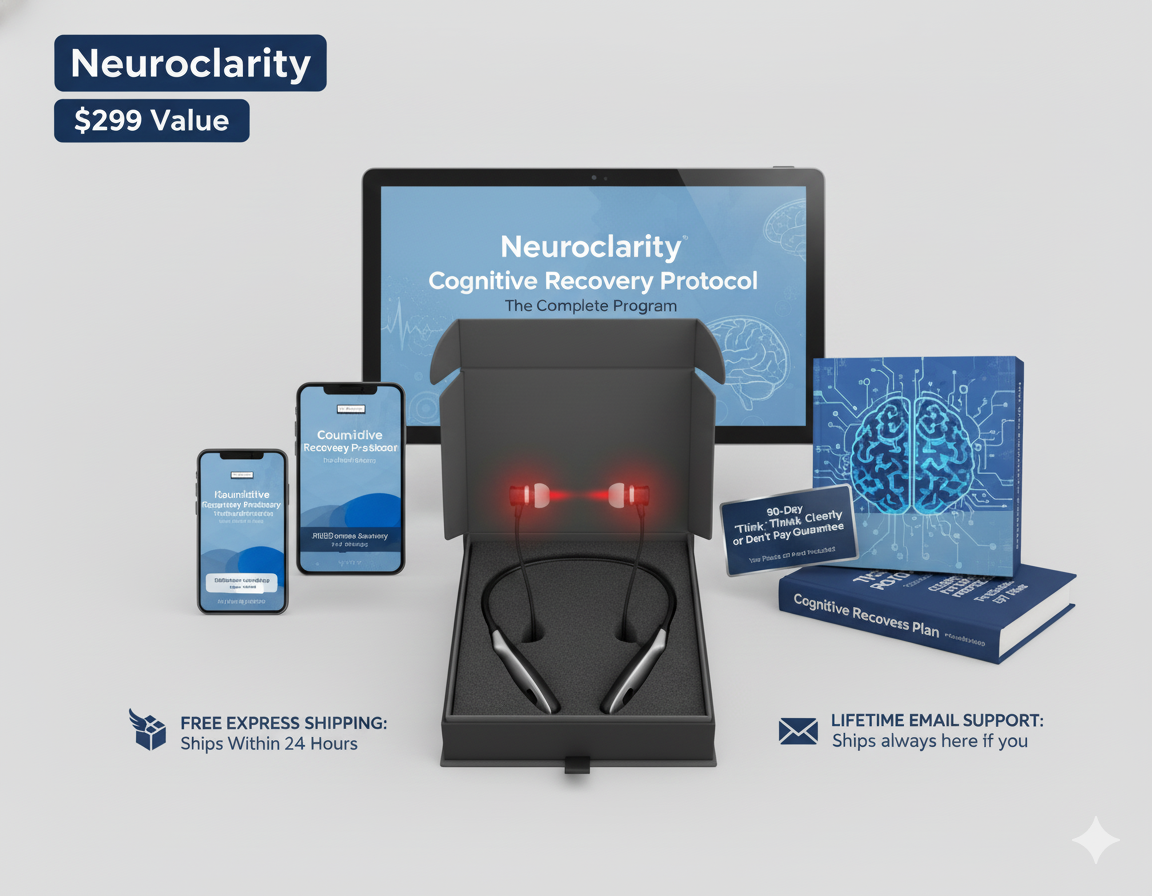
Here’s what you get today:
TOTAL VALUE: $496
YOUR PRICE TODAY: $99.95
We’re selling these at barely above manufacturing cost because getting this into people’s hands matters more than squeezing profit.
You don’t have to keep pretending you heard them.
You don’t have to let ringing steal your life.
What Happens If You Wait
I can tell you exactly what happens if you close this page and do nothing.
Month 1-6: You ask people to repeat themselves more. You turn things up. You miss more words.
Month 6-18: Family notices. You start avoiding the situations that expose it.
Month 18-36: Life gets smaller. Fewer dinners. Fewer gatherings. Fewer conversations.
I’ve seen this movie. I know how it ends.
You don’t have to let it end that way.
The Families Who Wait Always Regret It
I can tell you this with absolute certainty:
The families who wait always regret it.
The families who act today always say it was the best decision they ever made.
Your hearing clarity isn’t magically improving on its own.
Every day you wait is another day of frustration, distance, and missed moments.
Unless you do something about it RIGHT NOW.
🚨 URGENT: This page may be taken down at any time
ONLY 147 DEVICES REMAINING
Don’t become someone who “used to come to dinner.”
Don’t let your family remember you as the one who stopped showing up.
You have 147 chances left to change your story.
Your life is worth $99.95
Your relationships are worth $99.95
Being present again is worth $99.95
P.S. - If you’re reading this at 2 AM, frustrated and exhausted: you’re not alone. Your auditory system isn’t “dead.” It may be underpowered. And underpowered systems can improve.
P.P.S. - If you’re seeing this, act now. This could be your last chance to access this at an affordable price before the current batch is gone.
MEDICAL & HEALTH DISCLAIMER: The information and other content provided in this page, or in any linked materials, are not intended and should not be construed as medical advice, nor is the information a substitute for professional medical expertise or treatment.
If you or any other person has a medical concern, you should consult with your health care provider or seek other professional medical treatment. Never disregard professional medical advice or delay in seeking it because of something that have read on this page or in any linked materials. If you think you may have a medical emergency, call your doctor or emergency services immediately.